

Uber Eats vs. direct orders: how they affect your restaurant’s margins and brand image
 Emilien VarinFounder of Cadeo

 Updated · 8 min read
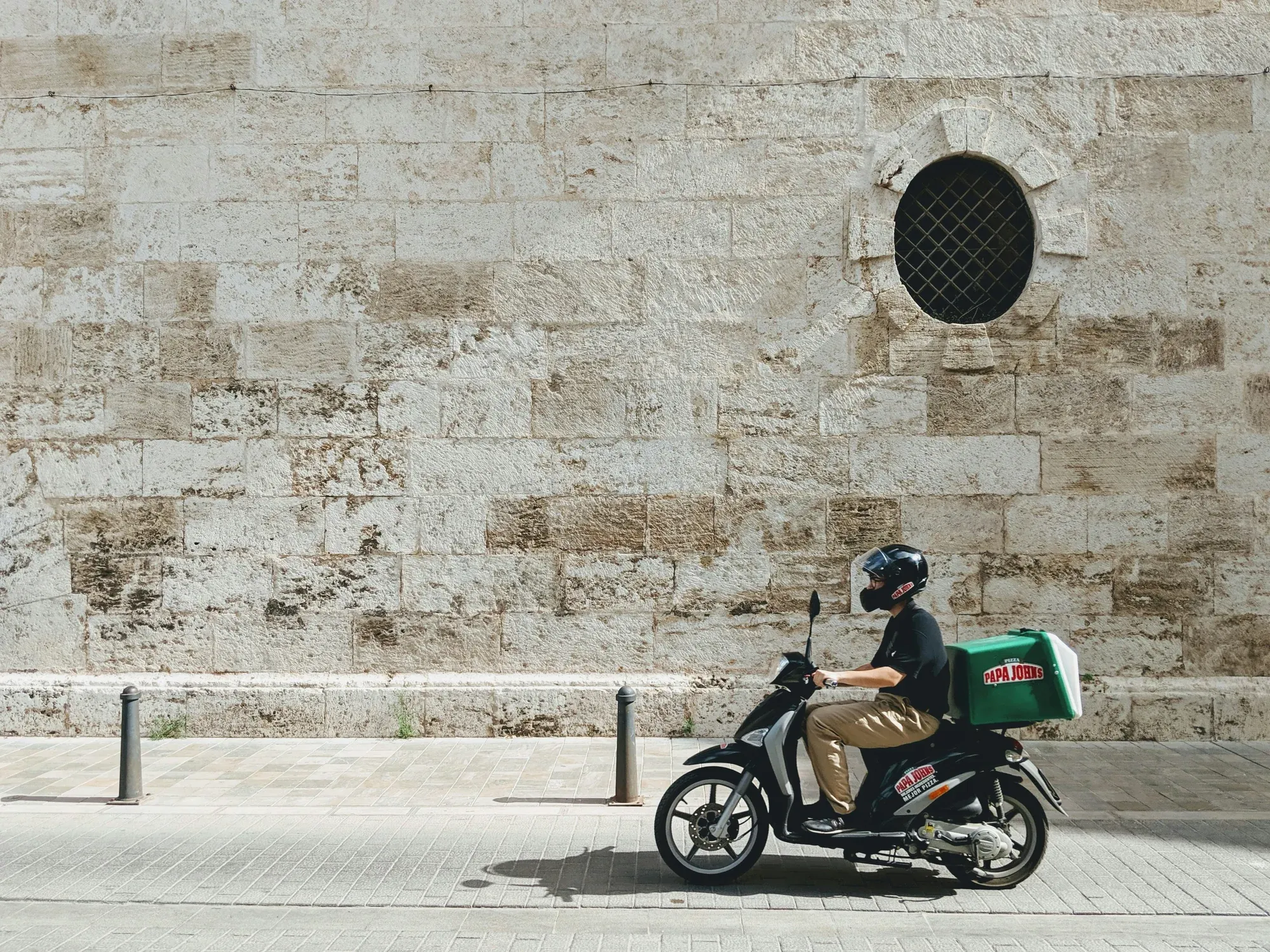


How can you optimize your margins while protecting your restaurant’s brand image? In recent years, delivery platforms, especially Uber Eats, have revolutionized the restaurant industry by making it easier for consumers to get meals from their favorite restaurants. At the same time, though, many restaurants still prefer direct orders through their own website or by phone.
With these two channels to choose from, it’s crucial for restaurant owners to understand how each one affects not only their margins but also their business’s brand image. In this article, we’ll look at both approaches from several angles to help restaurant owners choose the best strategy.
Being on Uber Eats: understanding the costs
When a restaurant decides to partner with Uber Eats, it has to be ready to pay hefty commission fees. These commissions, which vary depending on the services chosen, usually range from 15% to 30% of the total amount of each order. It’s crucial for restaurant owners to understand how these fees break down and to anticipate their impact on margins.
Different commission options
The commission percentage depends directly on which services the restaurant chooses to hand over to Uber Eats:
- Lower-commission option (around 15%): If the restaurant wants to handle delivery itself, the commission is usually lower, around 15%. However, this option requires your own delivery setup, which means hiring drivers or investing in an in-house delivery service.
- Full delivery option (up to 30%): If the restaurant hands over not only the ordering but also the delivery to Uber Eats, the commission can reach 30% of the order amount. With this plan, Uber Eats handles all the logistics, which makes it a more convenient solution for restaurants that don’t have the resources to organize delivery themselves.
Impact on margins
These commissions can drastically cut into restaurants’ profit margins. For example, on a €50 order with a 30% commission, the restaurant will only receive €35. That hits even harder once you factor in other costs like ingredients, staff wages, and operating expenses. For small businesses or restaurants with thin margins, this can be a real challenge.
Additional fees
On top of commissions, Uber Eats may charge additional fees for certain features, such as increased visibility options (premium placement in the app), marketing campaigns, or promotions designed to attract more customers. These costs add to the initial fees, which can further eat into the net profit from sales made through the platform.
So these fees need careful thought before you get started: while they bring visibility and access to a wider customer base, they also shrink the share the restaurant keeps on each order.
The benefits of being on Uber Eats for a restaurant
Being on a platform like Uber Eats offers restaurants plenty of benefits. Here are the main ones:
More visibility: access to a large customer base
Despite these high costs, Uber Eats gives restaurants instant access to a large customer base. With millions of users, the platform helps restaurants increase their visibility, especially with consumers who might never have discovered them otherwise. This virtual storefront effect is often hard to recreate with direct ordering channels, especially for small businesses.
Convenience for consumers: fast, easy ordering
Platforms like Uber Eats are very popular because they’re easy to use. For customers, ordering takes just a few taps, and payment is often automatic. Plus, these platforms are available 24/7, a level of convenience that direct orders can’t always match.
Revenue growth potential
For a restaurant, being visible on Uber Eats can also increase order volume, especially by attracting a wider customer base. This can be particularly helpful during off-peak hours or times when the restaurant isn’t full, which boosts overall revenue.
Outsourced logistics
By choosing the option where Uber Eats handles delivery, restaurants can offload the logistics that come with it. This lets restaurant owners focus fully on their core business (cooking and managing the dining experience) without having to deal with logistical complexities like coordinating drivers or managing delivery times. Outsourcing logistics to a specialized platform helps ensure more efficient, professional delivery while freeing up time to focus on food quality and in-house service.
The drawbacks of being on Uber Eats
Despite its many advantages, being on Uber Eats comes with several major drawbacks that restaurant owners need to consider. Here’s a detailed list of the main downsides:
-
High commissions and lower margins: One of the biggest drawbacks is the high cost of commissions, which can reach 30% of each order. These fees significantly reduce restaurants’ profit margins, which can be a problem for businesses with thin margins or those that rely on moderately priced orders. This cost is often hard to make up, even with more orders.
-
Loss of control over the customer experience: When a restaurant hands delivery over to Uber Eats, it loses much of its control over the customer experience. If an Uber Eats driver is careless, delivers a meal late, or the order arrives poorly packed, it can hurt the restaurant’s image. Customers usually blame the restaurant directly for this bad experience, even though it didn’t handle the delivery.
-
Growing dependence: Over time, some restaurants can become heavily dependent on orders from Uber Eats. This dependence can be risky, because changes to the platform’s policies, like higher commissions or new terms, could directly affect the restaurant’s finances. It can also make the restaurant less independent and reliant on a single source of revenue.
-
More competition and brand dilution: On Uber Eats, a restaurant competes directly with thousands of other businesses on the same platform. That can make visibility difficult, pushing some restaurants to pay for advertising options to stand out, which can cut into their profits even more. The restaurant’s brand can also get diluted on the platform, since customers often remember the platform itself more than the place they ordered from.
These drawbacks, though offset by greater visibility and easy ordering, highlight the challenges to consider before diving into a partnership with Uber Eats.
Direct orders: a more profitable option?
With the rise of delivery platforms like Uber Eats, many restaurant owners are also turning to direct orders to maximize their profitability.
No commission, or lower commissions
One of the most obvious advantages of direct orders is that there are no high commissions. Restaurant owners who choose to handle their own orders don’t have to share their revenue with a third party, so they keep a bigger share of each sale. This strategy can have a significant impact on profit margins, especially in an industry where operating costs are already high. By avoiding these commissions, restaurants can offer more competitive prices or invest more in the quality of their ingredients and service, strengthening their market position.
More control over pricing, service quality, and the customer experience
Direct orders also give you full control over the customer experience. By handling preparation, delivery, and pricing themselves, restaurant owners can ensure consistent service and make sure the quality lives up to customers’ expectations. This lets them personalize the experience, adjust prices based on promotions or ingredient costs, and make sure every order meets the restaurant’s standards. By not relying on a middleman like Uber Eats, restaurant owners can also better manage their brand image and strengthen their relationships with customers.
Required investments: building a website, managing orders, and more
However, handling direct orders also requires some investment. Restaurants need to build dedicated infrastructure, such as an online ordering website or a mobile app, and set up systems to manage payments and deliveries. This takes financial and human resources, which can mean a significant upfront cost. Restaurant owners also need to be ready to provide efficient customer service, which may require extra skills and rigorous management. Despite these challenges, the profit potential of direct orders makes this option an attractive alternative for many restaurants.
In short, while direct orders require investment and a certain amount of management, they give restaurant owners a chance to maximize their margins and keep full control over the customer experience. In an increasingly competitive market, this strategy can turn out to be the key to profitability and customer satisfaction.
Comparing the impact on margins
Total cost per order: Uber Eats vs. direct orders
On average, restaurants earn a higher margin on direct orders than on orders placed through Uber Eats, where commissions and extra fees significantly reduce profits.
For example, on a €50 order, a restaurant might receive €35 after fees on Uber Eats, compared with €45 for a direct order.
How to optimize margins in each case
To optimize margins on Uber Eats, some restaurants raise their prices on the platform to offset commission fees. For direct orders, investing in good customer service and effective digital tools can help maintain a solid margin while building customer loyalty.
The impact on your restaurant’s brand image
With Uber Eats, the restaurant owner has little control over delivery quality. If a driver shows up late or damages the food, it’s often the restaurant’s image that suffers. On top of that, comments left on Uber Eats directly affect the restaurant’s reputation, and the restaurant can’t always step in.
With direct orders, on the other hand, the restaurant can strengthen its relationship with customers and build trust over the long term. By being responsible for the entire process, the restaurant can guarantee a consistent, high-quality customer experience, which encourages loyalty.
Another advantage of direct orders is pricing control. The restaurant can adjust its prices and run special offers without being limited by the platform’s rules. A restaurant that handles its own orders can also come across as more upscale, because it shows a commitment to controlling the entire experience.
Hybrid alternatives: making the most of both channels
You can combine both approaches to maximize profitability. A restaurant can use Uber Eats to reach a wider customer base while promoting its direct ordering channels with exclusive deals or discounts. This hybrid approach lets you enjoy the benefits of Uber Eats while keeping some of the higher margins from direct orders.
Restaurants can encourage customers to place direct orders by offering special deals only on their website or through loyalty programs. At the same time, they can keep a presence on Uber Eats to maintain strong visibility.
In conclusion, choosing between Uber Eats and direct orders depends on the restaurant’s priorities in terms of margins and brand image. Uber Eats gives you access to a large customer base and can increase revenue, but at a high cost. Direct orders, on the other hand, offer more profitability and control over the customer experience, at the price of more management and upfront investment. To maximize both profitability and brand image, restaurants can adopt a hybrid strategy, using Uber Eats to expand their reach while building more personal relationships through their own channels.
Your customers want to play. Let them rate you.
A clearly visible QR code, a game open to everyone and an invitation to leave a Google review: the first reviews come in within days.
Try it free, no credit card required
 Leave a Google review
 Follow on Instagram
 Leave a Tripadvisor review
Did you enjoy this article?
 LinkedIn
Thanks for your feedback, it helps us improve.
One answer per visitor per article · your vote stays visible when you come back

More than 10 years of experience in digital marketing, from SEO to online advertising. Today, Emilien helps more than 750 shops, restaurants and franchise networks gain visibility and bring their customers back. On this blog, he shares what really works on the ground.

 Follow on LinkedIn